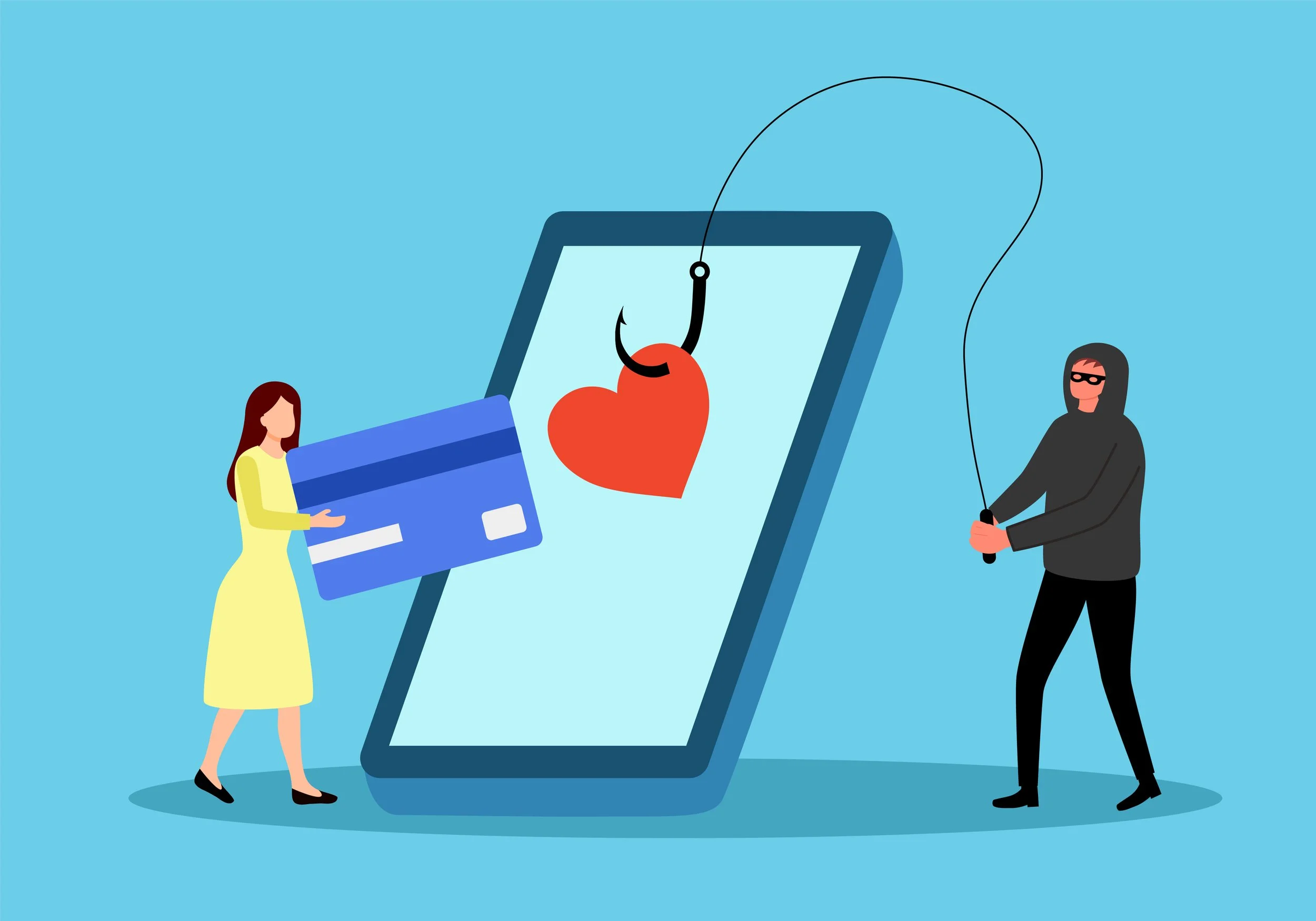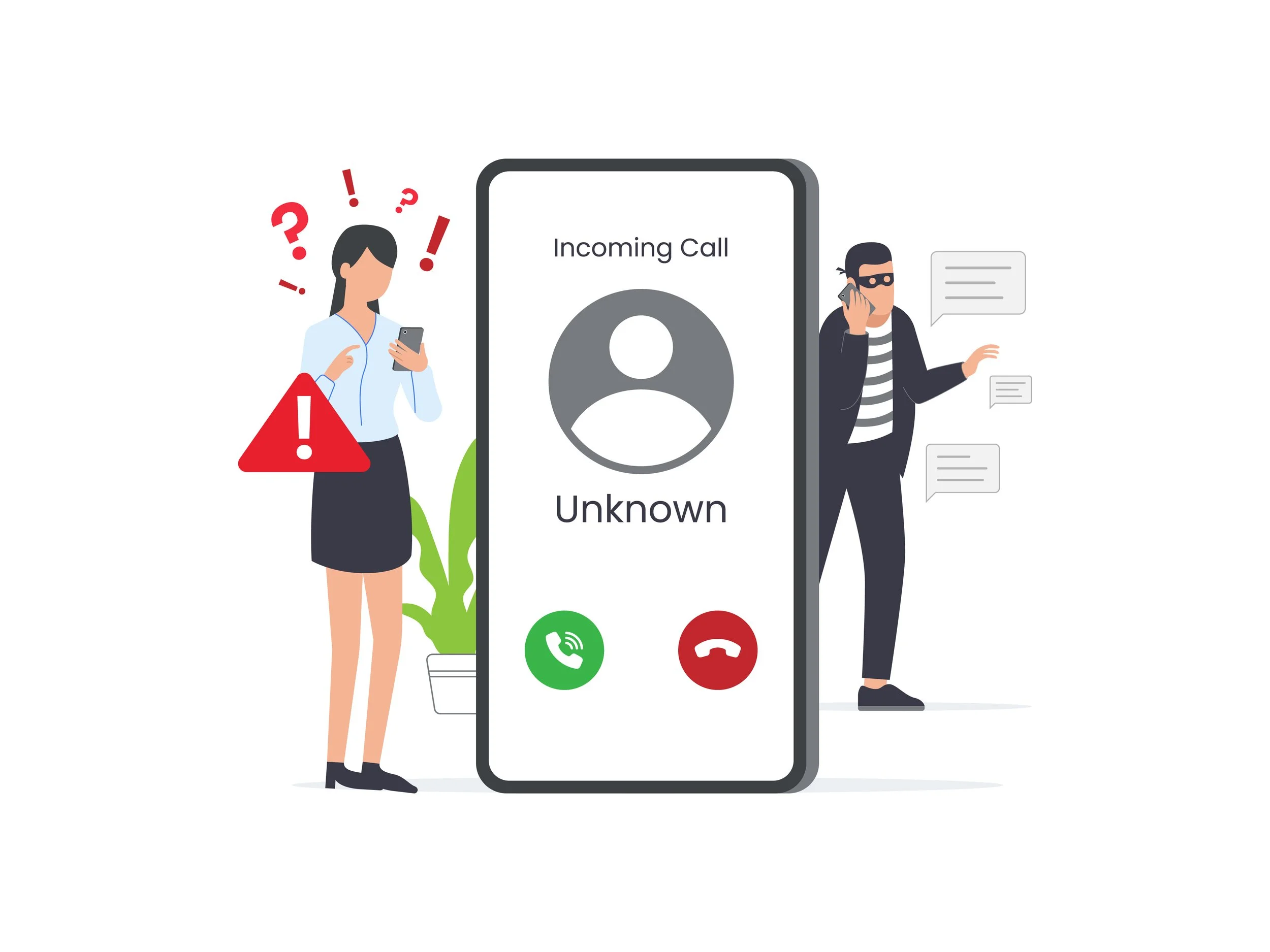
Scammers are posing as the U.S. Marshals Office, claiming your identity is tied to a federal investigation. They use authority and urgency to pressure victims into withdrawing cash and holding it “for protection,” sometimes even offering to come to your home. Real law enforcement will never ask you to move or safeguard money — hang up and verify directly with local police or your bank.
Read MoreScammers are sending fake holiday delivery alerts that look like USPS, UPS, FedEx, or Amazon. They claim there’s a problem with your package to pressure you into clicking a bad link or sharing personal info. Don’t trust unexpected messages — always check tracking directly through the official website or retailer.
Read MoreFraudsters are ramping up holiday scams with fake calls, emails, and texts that look real. They use urgent messages about purchases or deliveries to pressure you into sharing information or sending money. Don’t trust unexpected alerts — real companies won’t ask for sensitive details this way. Always verify through the official website or a direct phone call.
Read MoreScammers are sending fake emails and texts with dangerous links that look real. They try to scare you into clicking by claiming there’s an issue with your account or a delivery. Don’t trust unexpected links — real companies won’t ask for sensitive info this way. Always go to the official website or call the company directly.
Read MoreScammers are calling and pretending to be your bank, asking for “donations” to support a program or cause. Don’t fall for it — real banks never call customers to request money or personal information. Hang up and call your bank directly using the number on the back of your card.
Read MoreThieves are stealing checks from mailboxes, altering them, and cashing them for themselves. Don’t fall for it — this is check fraud and mail theft, both serious crimes. To protect yourself, use online bill pay or drop mail directly at the post office, and regularly monitor your accounts for suspicious activity.
Read MoreScammers send fake texts or emails claiming your tax refund, credit, or stimulus payment is ready and urging you to click a link to “confirm details.” Don’t fall for it — it’s a phishing scam. The Ohio Department of Taxation will never contact you by text, and the IRS will never initiate contact by text, email, or social media.
Read MoreScammers send fake texts claiming you owe for a ticket, with links to “pay now” and threats of license suspension or legal action. Don’t click — it’s a phishing scam. The BMV/DMV will never demand payment by text.
Read MoreBitcoin and wire transfer scams pressure victims into sending money through untraceable methods. Posing as officials, tech support, or sellers, scammers use threats or false promises to demand crypto or wires—something no legitimate organization will ever do.
Read MorePhishing, smishing, and vishing scams use fake emails, texts, and calls to steal personal and financial information. By creating urgency or offering tempting rewards, scammers pressure quick action and disguise themselves as legitimate sources—ultimately to commit fraud.
Read MorePeer to peer transfer and other methods of online payments have been emerging more and more over the past few years with numerous options to choose from. While having numerous options is great, making sure you are safely using these applications is very important. The article listed lists out various ways to keep your money and data safe during these types of transactions.
Read MoreUkraine is receiving donations with cryptocurrency, unfortunately scammers are targeting these funds. Read more in this FTC article to better learn how to protect yourself when donating with cryptocurrency.
Read More