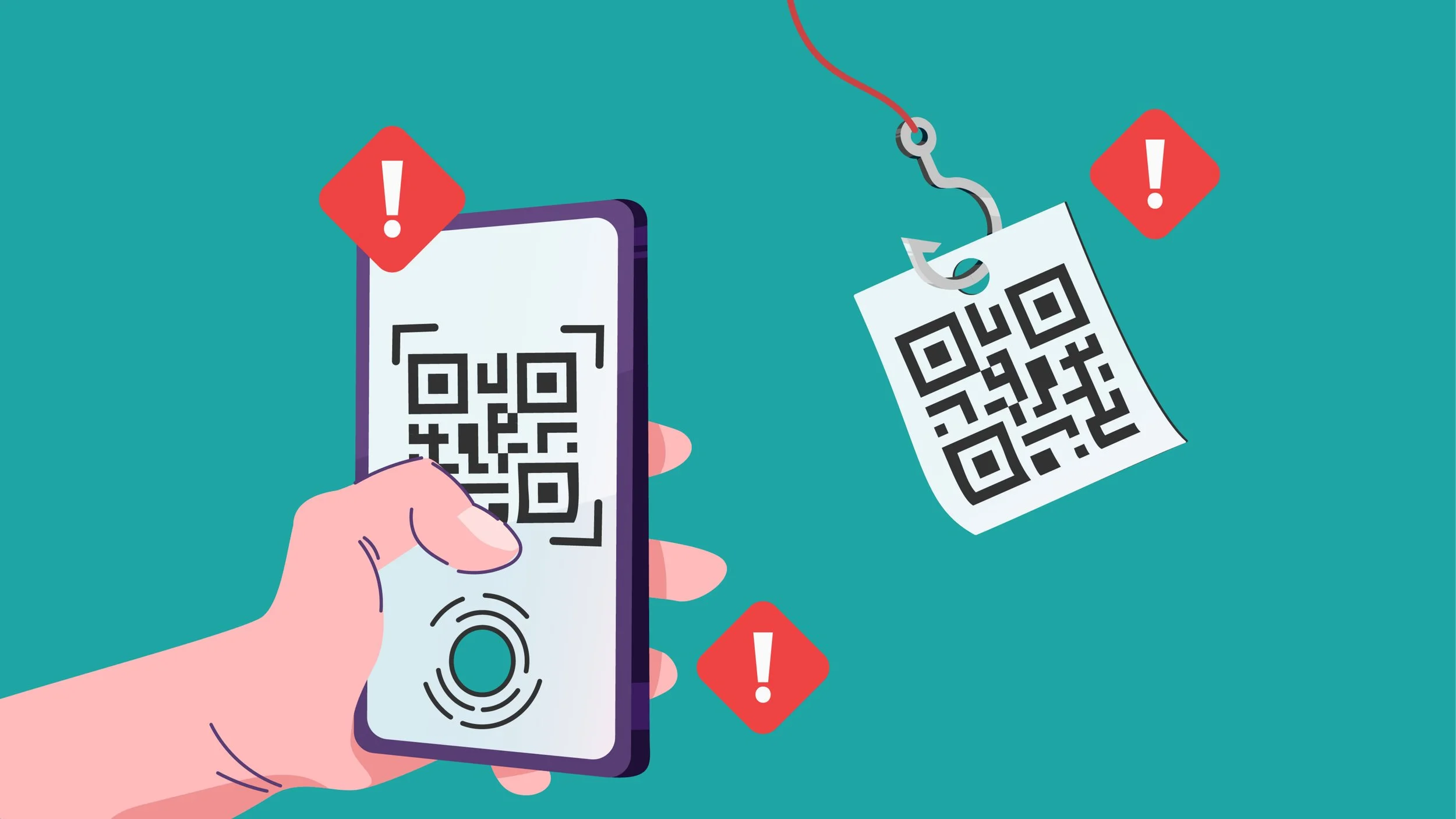
QR Code Scams ("Quishing") - Think Before You Scan
📱🔍 QR CODE SCAMS ("QUISHING") - THINK BEFORE YOU SCAN
QR codes make it easy to pay bills, view menus, and access websites - but scammers are taking advantage of that convenience. Criminals use fake QR codes in emails, texts, public places, and even unsolicited packages to send victims to fraudulent websites that steal login credentials, payment information, or personal data. Before you scan, take a moment to verify where the code came from.
💬 COMMON SCHEMES SCAMMERS USE:
Fake QR code stickers placed over legitimate ones.
Parking payment QR codes leading to fraudulent websites.
Emails or texts asking you to scan a QR code to "verify" your account.
Unexpected packages containing QR codes that claim to identify the sender, register a product, or arrange a return.
QR codes promising prizes, coupons, or exclusive offers.
🚨 WARNING SIGNS:
A QR code appears to be a sticker placed over another code.
You receive an unexpected package with instructions to scan a QR code.
The website that opens has a strange or misspelled URL.
You're asked to enter banking, payment, or login information unexpectedly.
The page creates urgency or demands immediate action.
🛡️ PROTECT YOURSELF:
Check where a QR code leads before entering any information.
Type the website address directly if you're unsure.
Avoid scanning QR codes from random texts, emails, public postings, or unexpected packages.
Use your phone's preview feature to review the destination URL.
Report suspicious QR codes to the business or property owner.
🧰 HELPFUL RESOURCES:
FTC: Scammers hide harmful links in QR codes to steal your information
FBI: Unsolicited Packages Containing QR Codes Used to Initiate Fraud Schemes
📍 IF YOU THINK YOU SCANNED A FAKE QR CODE:
Close the website immediately without entering information.
Change any passwords if you logged into an account.
Monitor your bank and credit card accounts for suspicious activity.
Contact your bank if you entered financial information.