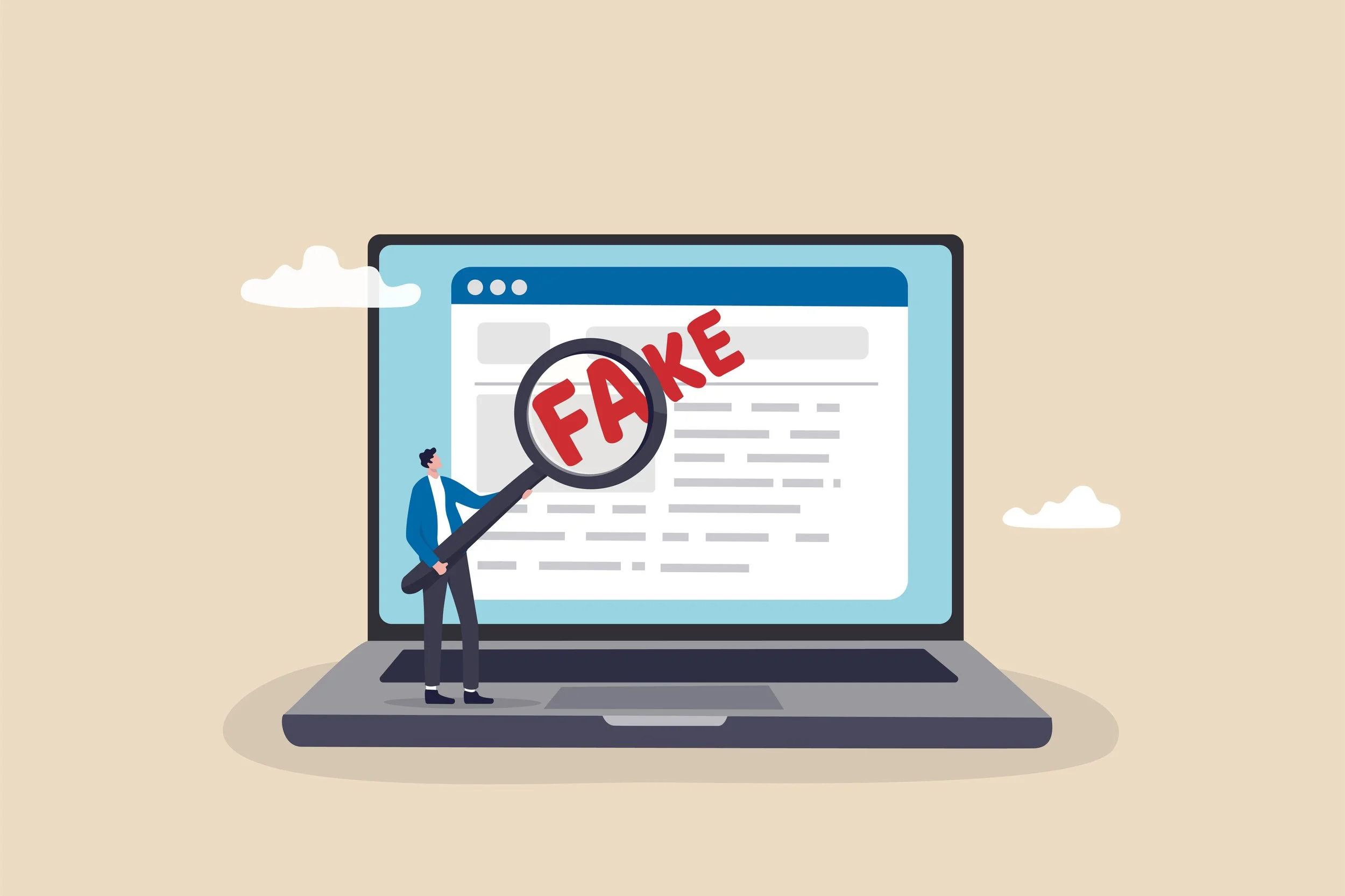
Fake Websites - Look Closer Before You Click
⭐🌐 FAKE WEBSITES — LOOK CLOSER BEFORE YOU CLICK
Scammers are creating fake websites that closely mimic real banks, retailers, and service providers. These sites often look nearly identical to the real thing and are designed to trick you into entering login credentials, payment details, or personal information. One wrong click can give criminals direct access to your accounts.
💬 COMMON SCHEMES SCAMMERS USE:
Fake banking or login pages sent through email or text links.
Lookalike shopping websites offering unrealistic deals.
Slightly misspelled URLs that appear legitimate at first glance.
Ads or search results that lead to fraudulent websites.
🚨 WARNING SIGNS:
Website URLs that are slightly off or contain extra characters.
Missing security indicators (like “https” or a lock icon).
Poor design, typos, or broken links.
Pages asking for sensitive information unexpectedly.
🛡️ PROTECT YOURSELF:
Always type website addresses directly instead of clicking links.
Double-check URLs before entering any information.
Bookmark trusted websites for quick, safe access.
Avoid logging in through links sent via email or text.
🧰 HELPFUL RESOURCES:
FTC: ReportFraud.ftc.gov
📍 IF YOU THINK YOU USED A FAKE WEBSITE:
Change your passwords immediately.
Enable two-factor authentication.
Contact your bank if you entered financial information.
Monitor your accounts closely for unusual activity.