Bank impersonation scams can involve callers pretending to be customers, bank employees, or help desk representatives to gain access to accounts or computers. Never share verification codes, passwords, or remote access with an unexpected caller. If someone claims to be from your bank, hang up and contact the bank directly using a trusted phone number.
Online marketplace scams can target both buyers and sellers through fake listings, fraudulent payments, overpayment schemes, and requests for verification codes. Before completing a transaction, verify the person and payment, avoid sharing sensitive information, and be cautious of deals or requests that seem too good to be true.
Relative-in-trouble scams use urgent calls or texts claiming a family member needs money immediately. Before sending anything, contact your relative directly using a trusted phone number and verify that the emergency is real.
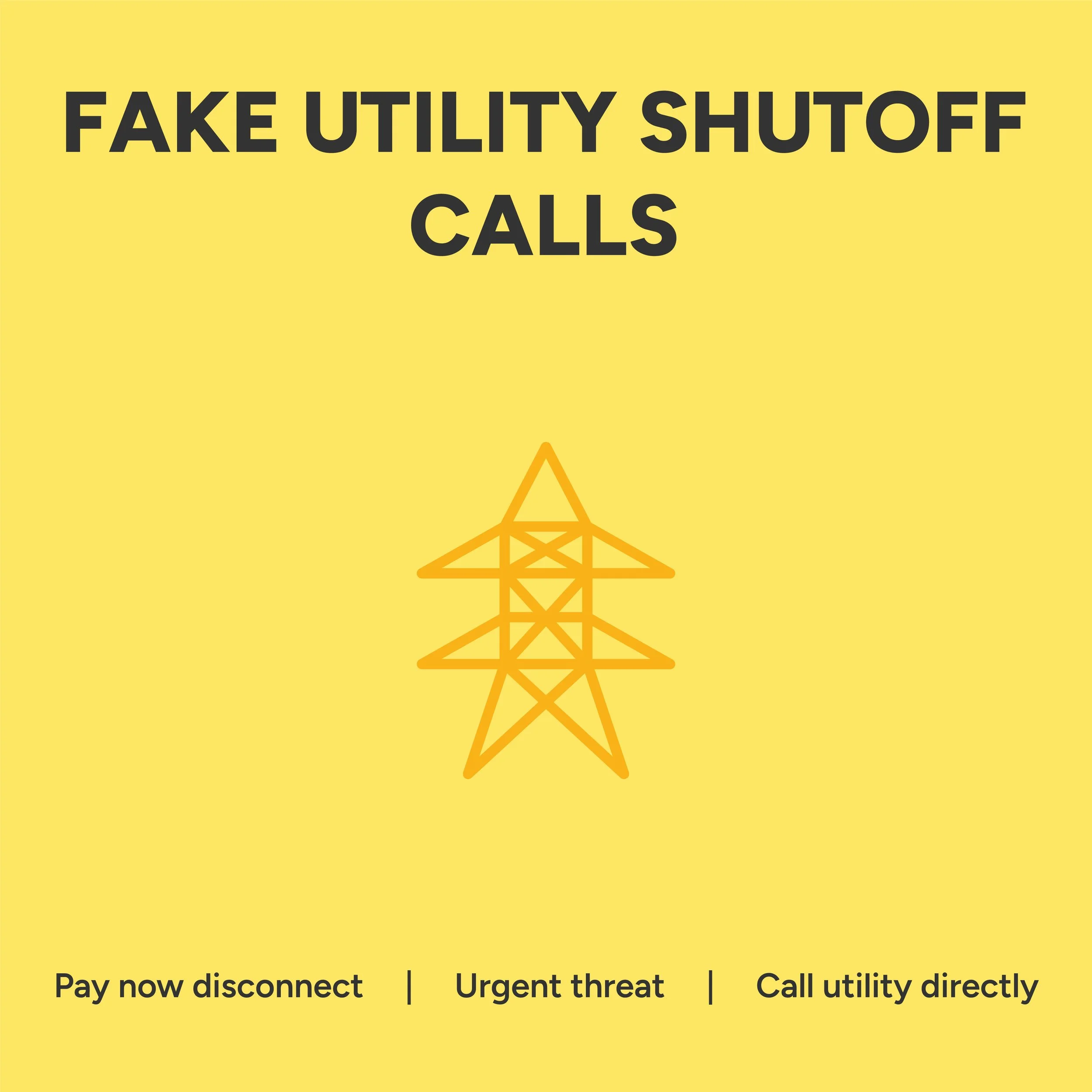
Utility scams use threats of immediate shutoff to pressure customers into making urgent payments. Never rely on caller ID or pay through unusual methods. Contact your utility company directly using a trusted number to verify your account before taking action.
Back-to-school shopping brings great deals—but also an increase in fake websites, misleading ads, and fraudulent online stores. Before making a purchase, shop with trusted retailers, verify website addresses, and be cautious of deals that seem too good to be true.
Ticket scams often target people looking for concerts, festivals, and sporting events. Scammers sell fake or counterfeit tickets through social media, online marketplaces, or fraudulent websites. Buy from trusted sources, use a credit card when possible, and be cautious of deals that seem too good to be true.
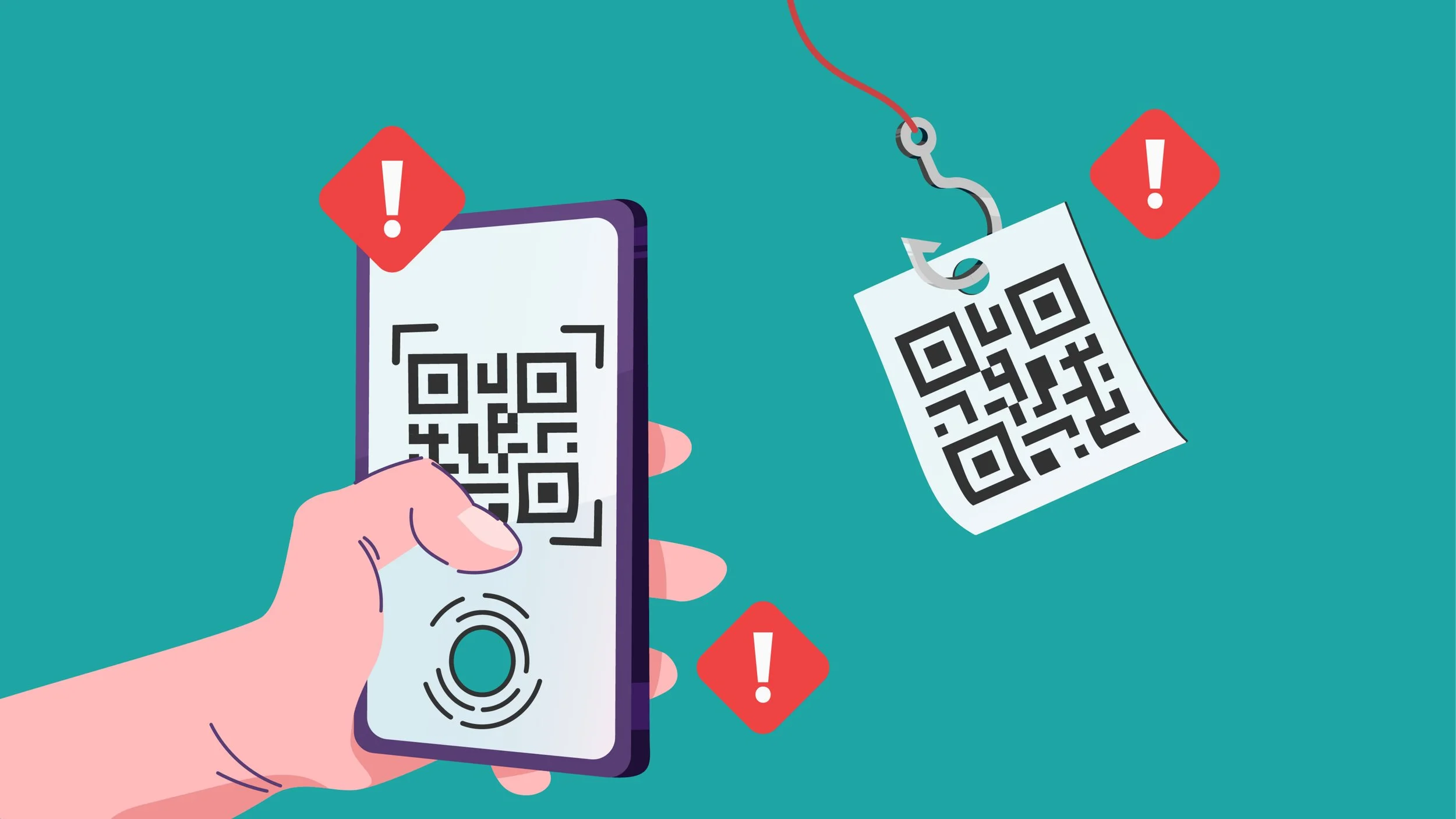
QR code scams, also known as "quishing," trick people into scanning codes that lead to fake websites designed to steal personal and financial information. Scammers hide these QR codes in emails, texts, public places, and even unsolicited packages. Before you scan, verify the source and check the website before entering any sensitive information.
Public Wi-Fi may be convenient, but it isn't always secure. Hackers can use unsecured or fake networks to steal personal and financial information. When traveling, avoid banking on public Wi-Fi and use your cellular data or a trusted hotspot instead.
Money mule scams trick people into moving stolen money through their personal bank accounts. Criminals often disguise these schemes as job opportunities, online relationships, or requests to help transfer funds. If someone asks you to receive money and send it elsewhere, it's a major red flag.
Vacation and travel scams often use fake booking websites, unrealistic deals, or spoofed customer service numbers to steal your money and personal information. Scammers pressure travelers to book quickly or pay outside trusted platforms. Always verify listings, use official travel websites, and avoid unusual payment methods when planning your trip.
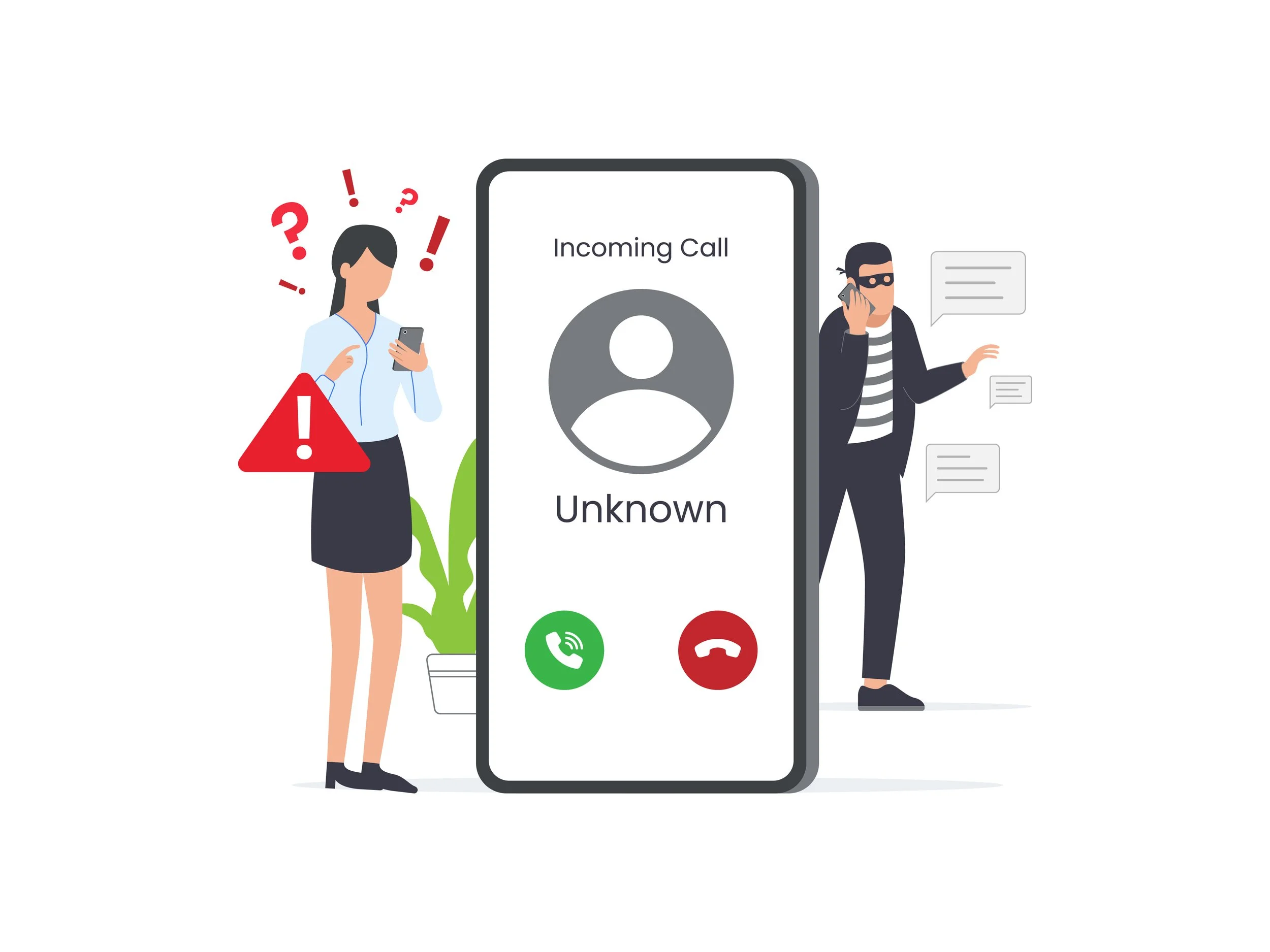
Fake bank impersonation calls are designed to sound legitimate, often spoofing real bank phone numbers to gain your trust. Scammers may claim there’s fraud on your account and pressure you to share security codes, passwords, or move money. Always hang up and call your bank directly using a trusted number before taking any action.
Fake websites are designed to look like real banks or businesses, tricking you into entering your login or payment information. These sites are often reached through links in emails, texts, or ads. Always double-check the website URL and go directly to official sites instead of clicking unexpected links.
Tax refund scams increase after filing season, with fake messages claiming there’s an issue or asking you to verify your refund. These often include harmful links to steal your information. Always check your status through official sites and avoid unexpected messages.
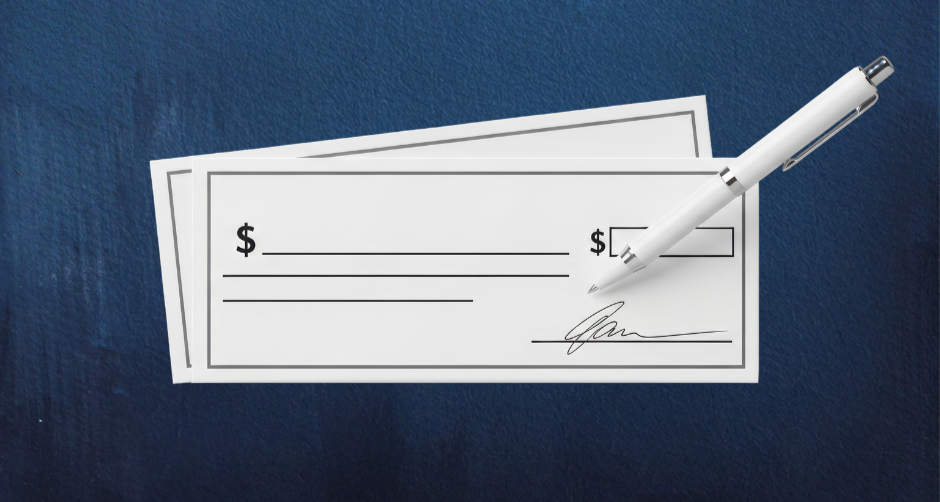
Check washing and mail theft scams rise during tax season as more payments are sent by mail. Criminals steal checks, erase the ink, and rewrite them for larger amounts or new payees. By the time it’s caught, the money is often already gone, making it important to send checks securely and monitor your accounts closely.
PPP loan scams are targeting business owners by using real borrower information to pose as bank representatives. Scammers call from spoofed numbers that appear legitimate and claim they need to verify your account or assist with your loan. Their goal is to gain access to your banking credentials and security codes to take over your account.