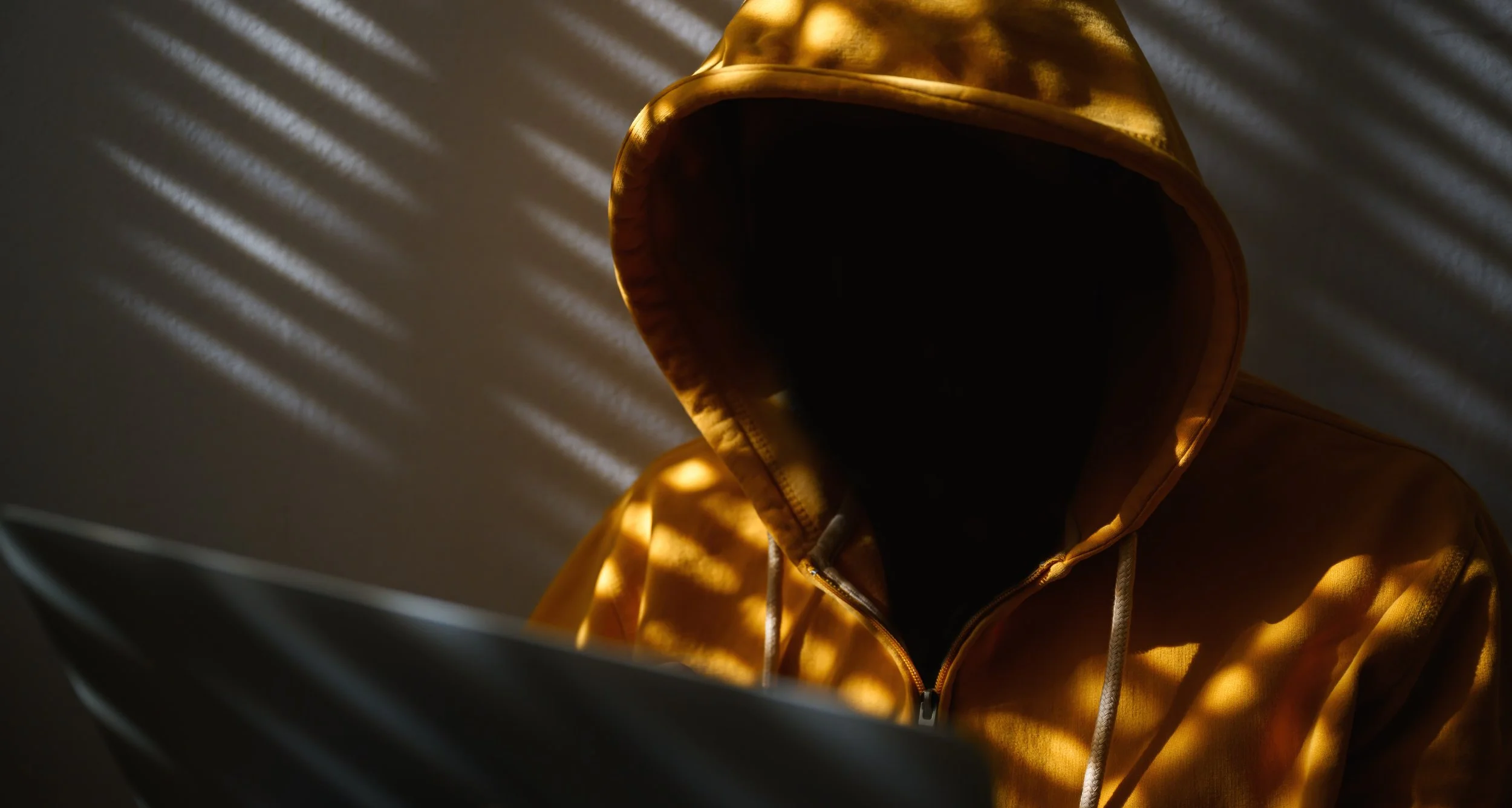
The Frightening Truth About Account Takeovers
🕸️💀 THE FRIGHTENING TRUTH ABOUT ACCOUNT TAKEOVERS
This Halloween, the scariest thing might be someone gaining access to your bank account without your knowledge! Account takeover occurs when a criminal obtains your login credentials or other sensitive information and uses it to access your account. Scammers may use phishing emails, fake text alerts, impersonation calls, or stolen passwords to get in. Once inside, they may attempt to transfer money, change account details, or lock you out of your own account.
💬 COMMON ACCOUNT TAKEOVER TACTICS:
Fake bank alerts: Texts or emails claim there's suspicious activity and urge you to click a link to secure your account.
Phishing links: Fraudulent websites imitate legitimate banking or business websites to steal login information.
Impersonation calls: Scammers pretend to be bank employees and ask for passwords or one-time verification codes.
Stolen or reused passwords: Information exposed in a data breach may be used to try accessing other accounts.
Verification code scams: Criminals trick people into sharing a security code that helps them sign in or reset account access.
Account recovery scams: Someone claims they can help recover a compromised account but asks for more sensitive information.
🚨 WARNING SIGNS:
You receive an unexpected password reset or login verification notification.
You notice unfamiliar transactions or changes to your account information.
Your password suddenly stops working.
You receive alerts about devices or logins you don't recognize.
You see unexpected changes to your contact information or security settings.
Someone contacts you unexpectedly and asks for your password or verification code.
🛡️ PROTECT YOURSELF:
Use strong, unique passwords for online banking and other important accounts.
Enable multifactor authentication whenever available.
Never share one-time verification codes with someone who contacts you unexpectedly.
Avoid clicking unexpected links in texts or emails claiming there's an account problem. Access your bank's official website or app directly.
Turn on account alerts to help identify unfamiliar transactions and activity quickly.
Keep your contact information current so you can receive important security notifications.
Never rely on caller ID alone. If someone claims to be from your bank, contact the bank directly using a trusted phone number.
🧰 HELPFUL RESOURCES:
Identity Theft: IdentityTheft.gov
FBI (IC3): www.ic3.gov
📍 IF YOU THINK YOUR ACCOUNT HAS BEEN COMPROMISED:
Contact your bank immediately using a trusted phone number.
Secure your account by changing your password from a trusted device.
Lock your card or account access if your bank offers that option and recommends using it.
Review recent transactions and report anything you don't recognize.
Change reused passwords on any other accounts that may be affected.
Save suspicious messages and report the incident to the appropriate authorities.
🚨 ADDITIONAL WARNING: FAKE ACCOUNT RECOVERY OFFERS
Beware of recovery promises: Scammers may claim they've recovered your stolen money or can help you get it back.
Watch for fake investigators: Criminals may impersonate the FBI, IC3, or other trusted organizations.
Never pay to recover lost funds: IC3 will never directly contact you to request money or offer to recover your funds.
Verify the website: If you need to file a report, type www.ic3.gov directly into your browser rather than clicking an unexpected link.